Ethical Engagement Rings: What Does “Ethical” Actually Mean?
There’s no rule that says an engagement ring has to be a diamond, mined from the earth, set in a classic solitaire, and bought in secret. That script is familiar, but it isn’t the only way to choose a ring—or a meaningful one. Couples are asking different questions now: Where did the materials come from? Who made the ring? Will it suit the person wearing it every day? And what does “ethical” mean when a brand puts that word on its website?
The honest answer: ethical is not a single stamp or a particular stone. It’s a set of choices, backed by information you can check. That might mean prioritizing responsible sourcing, choosing a lab-grown gem, reusing family jewelry, buying a secondhand ring, or working with a jeweler who can explain the materials and people behind the piece. The best choice is one that aligns with your values and feels good between the fingers—not just one that photographs beautifully.
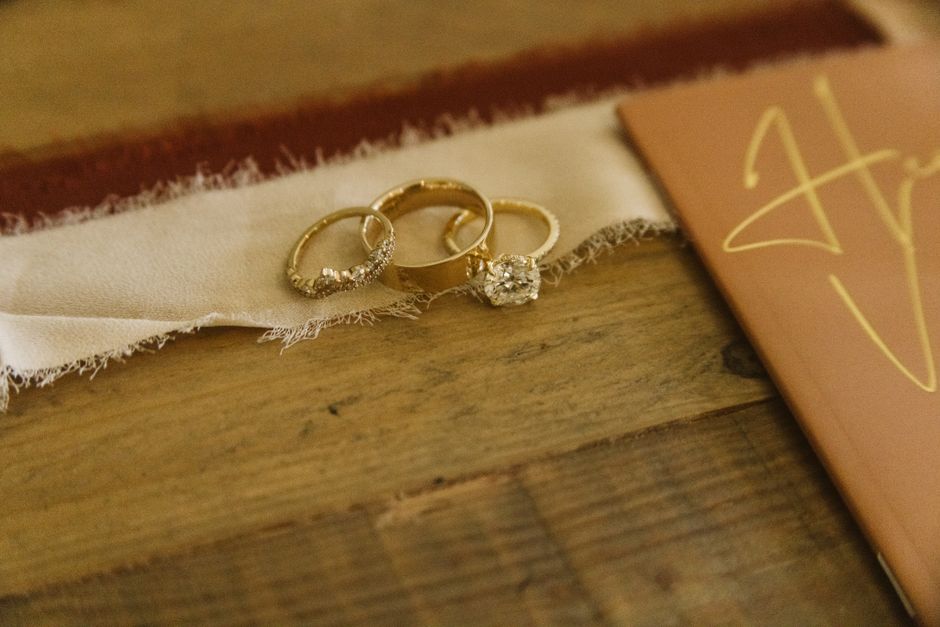
First, What Is the Ethical Jewelry Definition?
The ethical jewelry definition depends on what you’re looking at and which impacts matter most to you. In general, ethical jewelry considers how a piece affects people and the environment throughout its life: from extracting or creating its materials to manufacturing, sale, repair, and eventual reuse.
That can sound like a lot to investigate while you’re also planning a proposal. Start with a few clear questions. Where was the gemstone mined or grown? Can the jeweler identify the source of the metal? Who made the ring, and under what working conditions? Does the company explain its standards in plain language? What happens if the ring needs resizing or repair?
A responsible jeweler should be willing to answer questions without making you feel difficult. “Ethically sourced” is not much help on its own if the company can’t explain what it means, which materials it covers, or what documentation supports the claim. Look for specific, current information rather than a broad promise or a leaf-shaped icon on a product page.
Ethical, Sustainable, and Responsible: Related, but Not Identical
These terms overlap, but they aren’t interchangeable. “Ethical” often refers to questions about people, labor, transparency, and fairness. “Sustainable” generally points to environmental impacts and the long-term use of resources. “Responsible sourcing” is about tracing materials and taking steps to address risks in the supply chain. A ring may do well in one area and leave unanswered questions in another.
There is also no impact-free option. Mining can affect land and communities; lab-grown gemstones require energy and manufacturing; recycled metals still need processing. That doesn’t make the choices meaningless. It means useful comparisons are more honest than claims of perfection. Ask what the brand can verify, what it cannot, and where it is working to improve.
Responsible Sourcing: Ask for the Details
Responsible sourcing is a good place to focus because it moves the conversation from a pretty promise to a paper trail. Depending on the material, useful details might include the gemstone’s origin, the supplier, relevant certifications or chain-of-custody information, and the jeweler’s policy on recycled metals.
Don’t assume that every diamond labeled “conflict-free” answers every question about labor or environmental impact. Likewise, “recycled gold” is worth asking about: Is it recycled content from a named supply chain, or does the jeweler use the term more generally? A trustworthy seller will tell you what they know and be candid about what they cannot trace.
- Ask about the stone: Is it mined, lab-grown, antique, or secondhand? What can the jeweler document about its origin?
- Ask about the metal: Is recycled metal available? Can the jeweler explain the source and percentage, if applicable?
- Ask about making: Where is the ring made, and what does the brand share about its workshops or labor standards?
- Ask about aftercare: Are resizing, prong checks, cleaning, or repairs supported? A ring that can be maintained and worn for years is less likely to become a drawer resident.
If a company avoids straightforward questions, that’s useful information. It doesn’t automatically prove wrongdoing, but it does mean you have less reason to trust the claim. Transparency is part of the product.
Breaking Engagement Ring Traditions (Without Losing the Meaning)
Tradition can be lovely when it belongs to you. It becomes less lovely when it turns into a checklist: one diamond, one familiar shape, one surprise proposal, one large purchase that nobody is allowed to discuss. You can keep the romance and still talk about budget, comfort, and sourcing before someone spends months’ worth of savings.
Couples might shop together, set a budget together, or agree on a few non-negotiables while keeping the final design a surprise. They might choose a ring with no center stone, share a family ring, or mark an engagement with an everyday band. There’s no single “right” price or required carat size. A sincere conversation about money doesn’t ruin the romance; it gives the decision room to be joyful rather than stressful.
It can also help to think beyond the proposal moment. The ring will meet sweaters, tote bags, cooking, commuting, handwashing, and the occasional pocket seam. I keep a mental list of settings that snag on knits, and tall, exposed designs can be lovely but may need more care. Look closely at how the stone is held and ask whether the height and shape fit the wearer’s routine.
Modern Settings and Silhouettes for Real Life
A modern ring doesn’t have to look futuristic. It might be a clean bezel setting, an east-west stone, a low-profile design, a cluster of smaller gems, or a sculptural band with a softly irregular shape. These choices can be visually distinctive and practical, especially for someone who works with their hands or doesn’t want a tall setting.
Try on more than one style, even if you have a clear favorite in mind. A ring can look delicate in a photograph but feel bulky next to another band. Pay attention to the inside edge, the ring’s height, and how much it presses against neighboring fingers. I always ask how a band feels between the fingers. That small comfort check matters more than a perfectly styled product shot.
Consider maintenance, too. Fine pavé details and delicate prongs may require more frequent checks than a sturdier, lower-profile setting. That doesn’t make them bad choices; it just makes upkeep part of the decision. Ask what normal wear looks like, which repairs are possible, and whether the design can be resized without compromising its structure.
Colored Gemstones as Storytelling
A colored gemstone can carry a personal https://www.bespoke-bride.com/2025/10/09/how-to-choose-an-engagement-ring-thats-as-unique-as-your-love-story/ story without needing to follow a traditional diamond script. A sapphire might reference someone’s favorite color; a green stone might remind a couple of a place they love; a birthstone can connect the ring to family. The meaning doesn’t need to be inherited from a rulebook. You get to make it.
Colored gems also vary in hardness, durability, and care needs. Some are better suited to daily wear than others, and even a durable stone can chip if it takes a hard knock in the wrong spot. Ask a jeweler how the gem will hold up in the proposed setting and what care it needs. For daily wear, the stone’s position and protection matter alongside its beauty.
Origin questions still apply. Ask whether the gem is mined, lab-grown, antique, or reclaimed, and what the seller can verify. Don’t let a vivid color distract from the sourcing conversation—or let the word “natural” stand in for a complete account of impact.
Bespoke Ring Design and Customization
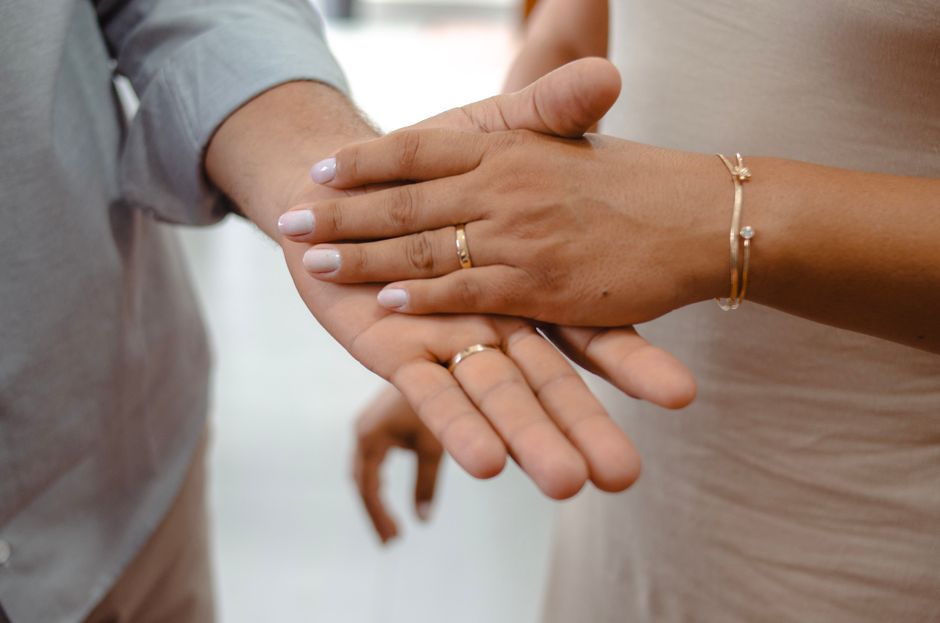
Custom design can make an ethical search more personal because you can discuss materials, setting, and wearability directly with the maker. It may also let you reuse a family stone or select a secondhand gem. But “bespoke” doesn’t automatically mean ethical. Ask the same sourcing and labor questions you would ask any retailer, and get the important details in writing before production starts.
A good design conversation begins with the wearer, not a trend board. Share what they do with their hands, whether they like rings to feel substantial or barely there, and what kinds of jewelry they already wear. Bring reference images, but use them to explain what you like—perhaps the silhouette, the color, or the way the band curves—rather than treating one image as a blueprint.
For inspiration, make a private or shared Pinterest board with a mix of rings, settings, gemstone colors, and details you want to avoid. Add notes about why each image appeals to you. That turns a scrolling habit into a useful design brief and helps a jeweler understand the feeling you’re after. Bespoke Bride can also be a natural source of wedding and style inspiration; use editorial ideas as a starting point, then check the materials and sourcing details for any specific ring you consider.
Retailers such as Lily Arkwright and Modern Gents may appear during an online search for engagement-ring styles. Treat every listing as a starting point for questions, not as a verdict on a company’s ethics. Review the current product and sourcing information directly, compare what each seller actually documents, and confirm that the ring’s materials and care options meet your priorities. Product ranges and policies can change, so check the details before buying.
A Simple Comparison: Which Choice Fits Your Priorities?
Option Why couples consider it Questions to ask Mined gemstone Natural origin, traditional appeal, wide variety What is known about its origin and supply chain? What documentation is available? Lab-grown gemstone Created in a controlled setting and often available in a range of sizes and prices Where was it produced? What information is available about energy use and manufacturing? Antique or secondhand ring Reuses an existing piece and may bring history or distinctive design What is the condition? Can it be resized or repaired? Are the stone and metal described accurately? Custom or redesigned ring Allows personal choices about shape, setting, and sometimes reused materials Which materials are being used? What is the maker able to verify? What are the repair and resizing terms?This isn’t a ranking. Each option has different trade-offs, and the best choice depends on the information you can verify and the values you want your purchase to reflect.
How to Shop Without Getting Lost in Marketing
Before browsing, agree on what matters most. Maybe it’s a traceable stone, a lower-impact material choice, a modest budget, a low setting, or the ability to use a family gem. A short list makes comparison easier and keeps “ethical” from becoming a vague feeling attached to whichever ring has the nicest copywriting.
- Set a comfortable budget. Include the ring, resizing, insurance if you want it, and future maintenance. There is no meaningful relationship between the amount spent and the amount of love involved.
- Choose your top priorities. Pick two or three questions that matter most, such as origin transparency, recycled metal, a durable setting, or a colored stone.
- Compare evidence, not adjectives. Save product pages, sourcing policies, and answers from jewelers. Note what is documented and what remains unclear.
- Try on similar shapes. Check comfort, height, band width, and how the ring feels beside a wedding band or other jewelry.
- Keep records. Save the receipt, stone details, appraisal or grading documents where supplied, and care instructions.
And if you’re already coordinating wedding details, keep your systems simple. A Google Sheet for RSVPs can help track guests, meal choices, and responses without turning every planning task into a new app. If you’re sharing invitations or wedding-planning inspiration, an invitations promo can point guests or followers toward the practical side of organizing, while the ring decision stays personal and pressure-free.
What Sustainable Sparkle Looks Like for You
Sustainable sparkle isn’t a perfect ring with a perfect supply chain and no trade-offs. It’s a ring chosen with care, supported by the best information available, and made to be worn and maintained. For one couple, that means a lab-grown stone in recycled metal. For another, it means a vintage sapphire, a family diamond reset into a lower profile, or a simple band with no center stone at all.
Ask questions. Compare answers. Pay attention to comfort as much as appearance. Most of all, don’t let tradition—or marketing—make the decision for you. An engagement ring can mark commitment while also reflecting how you want to buy, what you want to celebrate, and what you want to keep wearing long after the proposal photos are tucked away.