How to Choose a Bag That Survives 1.2 Meter Drops
Engineers know all too well that well-designed gear isn’t about flashy looks or marketing buzzwords — it’s about precision, function, and measurable durability. When it comes to choosing a bag that actually survives the inevitable bumps, bangs, and, let’s be honest, 1.2 meter drops, you need to think like an engineer. This means looking past vague claims and zeroing in on materials science, hardware specs, and real-world drop test thinking.
Why 1.2 Meter Drops Matter: The Engineer’s Perspective
Last month, I was working with a client who learned this lesson the hard way.. 1.2 meters isn’t an arbitrary number. It’s roughly waist height—try dropping your laptop bag from your standing position or accidentally knocking it off an airport conveyor belt. Bags that survive https://civildigital.com/best-luxury-cases-for-aerospace-engineers these impacts protect expensive electronics better, minimizing <30 g laptop force impact shock and saving your gear from costly damage. For aerospace engineers, this equates to tolerances and failure modes you expect from components designed with life cycle reliability in mind.
Drop Test Thinking: Not Just a Marketing Buzzword
Due to their technical mindset, engineers value drop test thinking — a rigorous approach where bags are subjected to repeated, controlled drops from a set height, measuring deformation, impact absorption, and seam integrity. If a bag can survive 100+ drop cycles at 1.2 meters without hardware failure or broken stitching, it’s worth considering.
Material Science Approach: Leather, Hardware, and Foam Impact Absorption
Certified Full-Grain Vegetable-Tanned Cuoio Superiore Leather: The Tuscany Standard
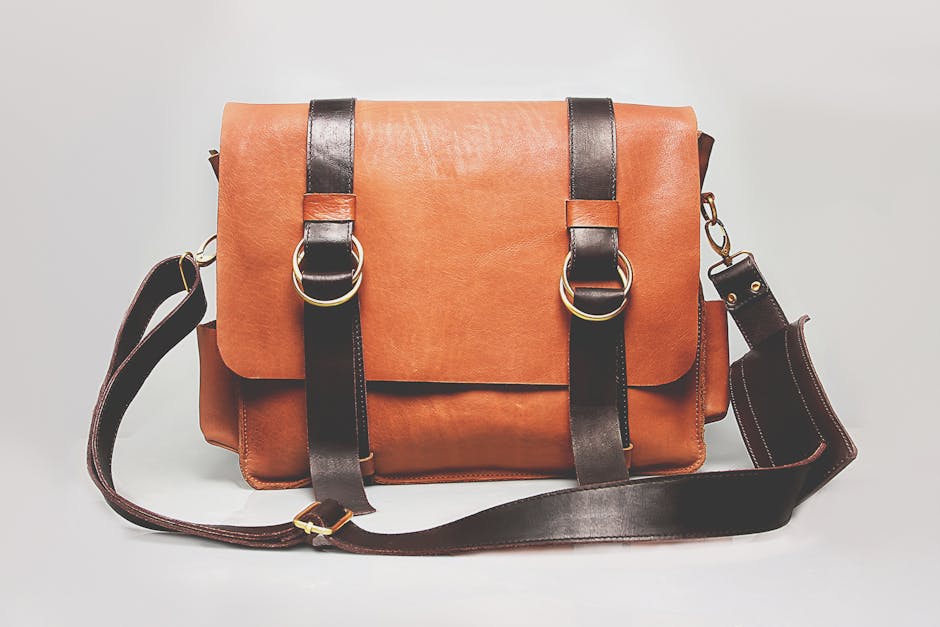
Leathers vary widely in quality and durability. CivilDigital, a leader in technical bag construction, specifies certified full-grain vegetable-tanned Cuoio Superiore leather from Tuscany, Italy’s leather production hub since 1961. This isn’t “premium leather” in marketing speak — this is a material with consistent thickness (1.5 to 2.0 mm), natural tensile strength, and proven aging properties. Vegetable tanning ensures slow curing that maintains flexibility and toughness better than chrome-tanned alternatives.
Leather Type Thickness Tensile Strength (MPa) Tanning Method Durability Notes Full-Grain Vegetable-Tanned Cuoio Superiore 1.5-2.0 mm 18-22 Vegetable High abrasion resistance, crease tolerance, natural aging Chrome-Tanned Split Grain 1.0-1.5 mm 12-16 Chrome Softer but less durable over time, wears down fasterYKK Hardware: Precision Engineered for Cycle Count Longevity
No bag survives drop tests without durable zippers and clips. YKK is the go-to for demanding hardware — they publish cycle count ratings, measured in >20,000 cycles for heavy-duty zippers. CivilDigital partners with YKK to ensure their bags’ fasteners maintain function well past passenger travel abuse. Metal YKK zippers with locking sliders prevent accidental opening upon impact and maintain seal integrity to reduce dirt ingress.
Eva Foam Compartments: Protective Impact Absorbers
EVA (Ethylene Vinyl Acetate) foam is a staple in aerospace and consumer gear for shock absorption. Its closed-cell structure traps air and disperses forces—critical when cushioning a laptop or tablet inside a bag. Don’t buy a bag without a dedicated EVA foam compartment tested to meet <30 g laptop force impact during 1.2 m drops. CivilDigital’s designs feature EVA inserts precisely molded to snugly lock electronics in place, avoiding movement-generated abrasion or shock transmission.
Measurable Precision in Construction: Seam and Stitch Tolerances
Look for companies who quantify their seam tolerances and stitch density. Von Baer, another aerospace supplier-turned-gear innovator, automates seam measurement with pocket rulers onsite, verifying stitch spacing at 6-8 stitches per inch using bonded nylon threads rated for tensile strengths >30 N. This isn’t something they brag about with fluffy adjectives — every bag undergoes random batch audits for stitch integrity and seam straightness.
Durability Testing and Cycle Counts
Bags must pass rigorous durability testing beyond just drop impacts. Von Baer subjects their bags to:
- Repeated drop cycles (100+) from 1.2 m height at multiple orientations
- Zipper pull tests of 20,000 opening-closing cycles, exceeding average commuter use
- Strap tension tests up to 50 kg load to simulate heavy packing and movement
- Water resistance layering retention for at least 300 wet/dry cycles
These are measurable, auditable specs — the data engineers crave when deciding if a bag’s worth their trust.
Putting It All Together: How to Choose Your Next Drop-Tested Bag
- Prioritize certified materials: Look for full-grain vegetable-tanned Cuoio Superiore leather from Tuscany with thickness and tensile specs published or independently tested.
- Check hardware ratings: Only consider bags with YKK zippers or comparable hardware backed by cycle counts and slip-locking mechanisms.
- Demand EVA foam protective compartments: Laptop compartments engineered to keep impact forces under <30 g during drop tests.
- Inspect stitching precision: Look for stitch spacing density of 6-8 stitches per inch, using high-tensile-strength nylon or bonded threads.
- Verify durability testing: Confirm multiple-cycle drop testing at 1.2 meters with documented failure rates or quality audits.
- Avoid vague marketing phrases: “Premium leather,” “stylish,” or “handcrafted” aren’t enough — ask for specs and test results.
Conclusion: Engineer Your Gear With Drop Test Thinking
You know what's funny? choosing a bag that survives more than 1.2 meter drops isn’t about picking a “fashion-forward” or “luxury” label. It’s about measurable precision, materials science, and hardware engineered for durability. Companies like CivilDigital and Von Baer carry forward aerospace-grade philosophies, employing certified Tuscan full-grain vegetable-tanned leather paired with YKK hardware and EVA foam inserts to optimize shock absorption and longevity. Drop test thinking grounded in real-world cycle counts means your gear works as hard as you do, without surprises.
Next time you’re deciding on a laptop bag, put your inner engineer first — insist on the specs and test data behind the materials and construction. Your expensive tech and travel sanity will thank you.
