Should I Buy a Diamond Ring from a Chain or an Independent Jeweller?
When you’re on the journey of diamond ring buying, one of the earliest and biggest questions you’ll face is independent jeweller vs chain. Both options have pros and cons, but understanding these differences can help you make an informed choice that matches your budget, style preferences, and confidence in the diamond's authenticity.
This post dives deep into the diamond buying process, covering key considerations like the Four Cs trade-offs, why cut is king for sparkle, the importance of verified grading reports, and how shape impacts perceived size. Along the way, we’ll naturally mention some of the most trusted names in the UK, including the renowned Hatton Garden Jewellers, and tools like the Gemological Institute of America (GIA) databases to verify authenticity. Plus, a nod to modern tech with an unexpected mention of MRQ, the mobile casino app, for good measure — because just like in quality assurance for apps, diamond buying demands thorough verification.
The Landscape: Chains vs Independent Jewellers
Jewellery chains boast scale, brand recognition, and often convenience. You might be familiar with chain jewellers from stores in shopping centres or department stores. They usually have extensive inventories, fixed pricing policies, and well-established return procedures.
In contrast, independent jewellers, like many found in the famed Hatton Garden district, offer a personalised experience and often more flexible pricing. They may source diamonds directly from suppliers and often https://smoothdecorator.com/rose-gold-engagement-ring-will-it-scratch-easily/ cultivate longstanding relationships with customers, offering bespoke options and expert consultation.
To decide which route suits you best, let’s explore the crucial diamond factors and validating tools you need during your purchase.
The Four Cs: Cut, Clarity, Colour, Carat
Almost every diamond buying conversation starts with the Four Cs, but here’s where buyers can get confused or misled:
- Cut: This is the most important factor affecting a diamond's sparkle and brilliance. How well a diamond is cut determines how light travels through it and reflects back to the eye. A superior cut can make even a lower carat diamond appear more dazzling.
- Clarity: Refers to the tiny natural imperfections within the diamond. While technically important, many inclusions are microscopic and not visible without magnification. Prioritising clarity over cut is a common mistake.
- Colour: Diamonds are graded on their lack of colour from D (colourless) to Z (light yellow or brown). However, differences beyond G-H are usually not noticeable to the naked eye.
- Carat: This is the weight measurement — but beware, carat weight alone doesn’t control how large a diamond appears.
Why Cut Drives Sparkle
Many buyers chase carat weight mistakenly assuming bigger is better, but the diamond’s cut profoundly affects its overall appearance. A well-cut diamond will sparkle intensely, masking minor differences in size or clarity. The GIA diamond quality factor pages provide excellent educational resources demonstrating how cut quality impacts sparkle.
Example: Two 1-carat diamonds can look very different in size based on depth and table percentages, all influenced by cut.
Grading Reports and Verifying Authenticity
Whether you buy from a chain jeweller or an independent, insist on a reputable laboratory grading report. The Gemological Institute of America (GIA) is globally considered the gold standard.
One pet peeve I’ve consistently noticed is vague wording like "certified" without naming the lab. Always ask for the laboratory report number — this is crucial because you can independently verify this number via the lab's online database. Checking this ensures the diamond’s specifications and authenticity have not been misrepresented. If the seller hesitates, consider it a red flag.
For both chain and independent jewellers, chains may often have standard policies on certification, but dedicated independents, like those from Hatton Garden Jewellers, routinely provide this verification as part of their trust-building process.
Carat vs Visible Size: Why Millimetres Matter More
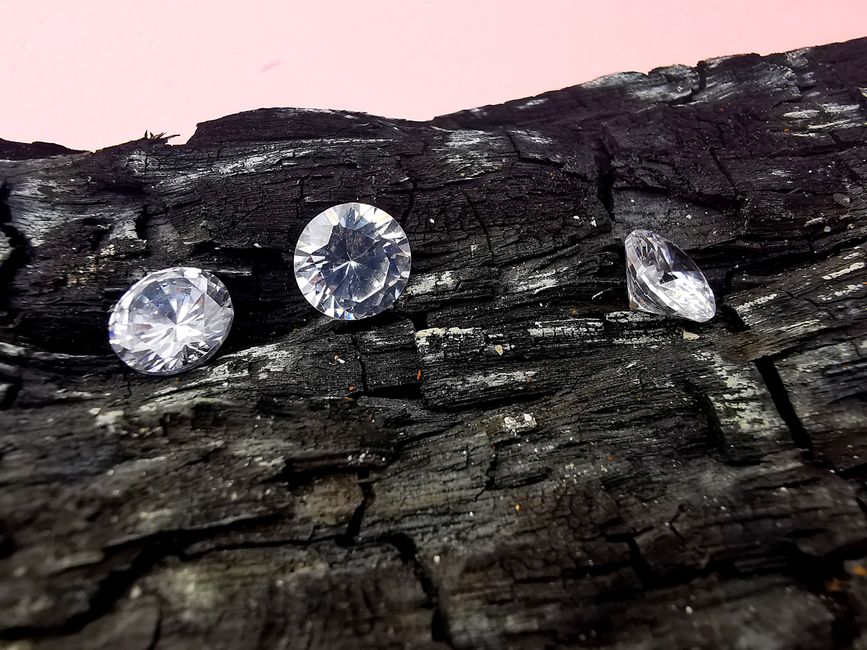
The carat weight is often touted as a measure of size — but it is actually a weight measurement. Two diamonds can both weigh 1 carat but differ noticeably in visible surface diameter due to differences in depth or cut ratios.
Carat Weight Average Diameter (round brilliant) Comments 0.50 5.0 mm Popular for budget-conscious buyers 1.00 6.5 mm Typical "standard size" engagement diamond 1.50 7.4 mm Visibly larger, increases price significantlyAs you shop, measure and compare diameters or lengths rather than focusing solely on carat. Some shapes naturally appear larger at the same carat weight.
Shape and Perceived Size: Oval, Pear, Marquise vs Round
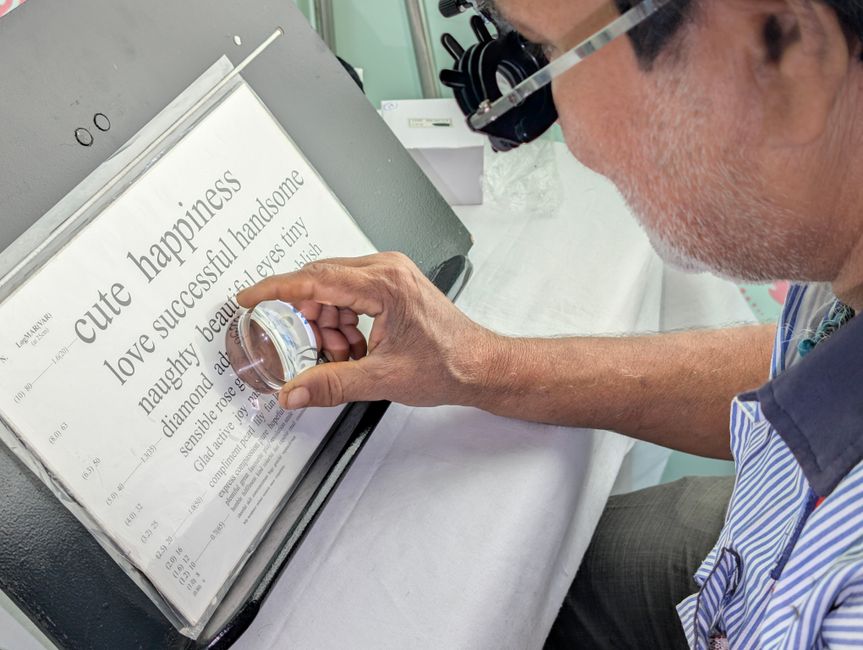
Round brilliant cuts tend to hold the highest resale value and sparkle the most, but they are not the most size-efficient shapes. Fancy shapes like oval, pear, and marquise are elongated, offering larger surface area and thus apparently bigger stones for the same carat weight.
- Oval: Elegant and runs longer than a round stone, making it appear larger.
- Pear: Teardrop shape that is both unique and visually elongates the finger.
- Marquise: Dramatic, football-shaped, offering maximum surface area per carat.
- Round: Classic, brightest, yet potentially smaller face up per carat than fancy shapes.
When deciding between a chain jeweller and an independent, independents often excel in custom cutting and sourcing less common shapes, providing the ability to play with these visual effects to get maximum perceived size at your price point.
Additional Consideration: Return Policies and Resizing
Both chains and independent jewellers offer varying return policies, but I always recommend requesting the details upfront — never trust vague footer links for this information.
For example, a checklist I keep on returns and resizing includes:
- Is there a cooling-off period (typically 14 days in the UK)?
- Who pays for return shipment?
- Is resizing free and how many times?
- Lab certification documentation must be returned with the ring.
Independent jewellers often provide more personalised post-sale service, https://bizzmarkblog.com/marquise-diamond-looks-huge-is-it-just-the-shape/ sometimes helping with resizing in-house or faster turnarounds compared to larger chains.
Why I Always Ask for the Report Number Before Discussing Price
One quirk developed over 8 years editing diamond content is always asking for the lab report number before getting into price talks. This simple step ensures transparency and trust. The diamond market is rife with inflated claims about clarity or carat weight, and pricing without verified certification is almost a wild guess.
Wrapping It Up: Independent Jeweller or Chain?
Feature Chain Jeweller Independent Jeweller (e.g. Hatton Garden) Pricing Transparency Often Fixed, Less Negotiable Flexible, Potential for Better Value Personalised Service Limited to Store Policies Tailored Consultations & Bespoke Options Certification & Report Verification Standardised, Usually GIA or Equivalent Often GIA and Encourages Verification Shape Variety & Cuts Popular Cuts Only Broader Fancy Shapes & Custom Cuts Return & Resizing Policies Well Defined, Usually 14 Days Flexible, Often More AccommodatingWhether you opt for a high-street chain or an experienced independent jeweller, remember the key to diamond ring buying success: always insist on certified gemstones with report numbers verified via trusted databases, prioritise cut quality for sparkle, and shop smart looking beyond carat to visible measurements and shape.
And yes, while researching diamonds online, take a leaf out of the best app developers like MRQ's approach to transparency and verification — check the backing and proof of authenticity before committing.
Good luck on your diamond journey, and happy sparkling!