What Does a “Defined Marketing Window” Mean for Watch Consignment?
In today’s dynamic luxury watch market, consigning a timepiece goes far beyond placing it on a shelf and hoping for the best offer. Among serious collectors and sellers, the term “defined marketing window” has emerged as a critical strategy—one that aligns listing exposure with precise market demand signals, leveraging live secondary-market data and comparable sales.
Whether you’re working with powerhouse brands like Rolex or tapping trusted partners such as Diamond Banc or RESIDENT™, understanding how a defined marketing window impacts value and sale timing is key. This post walks you through the concept, its advantage in shaping target buyer engagement, and how it interacts with the watch’s condition, configuration, and saturation in the market.
Understanding the Concept: What Is a Defined Marketing Window?
A defined marketing window is a predetermined, limited period during which a consigned watch is actively marketed and offered for sale. Unlike an open-ended listing, where exposure can linger indefinitely, this approach imposes a clear timeframe, typically spanning a few weeks to a couple of months.
The intent is to create a focused, time-boxed selling environment that drives urgency, maximizes listing exposure during peak demand, and minimizes prolonged market saturation. It reflects an understanding that supply and demand in the secondary watch market fluctuate rapidly, influenced by factors such as:
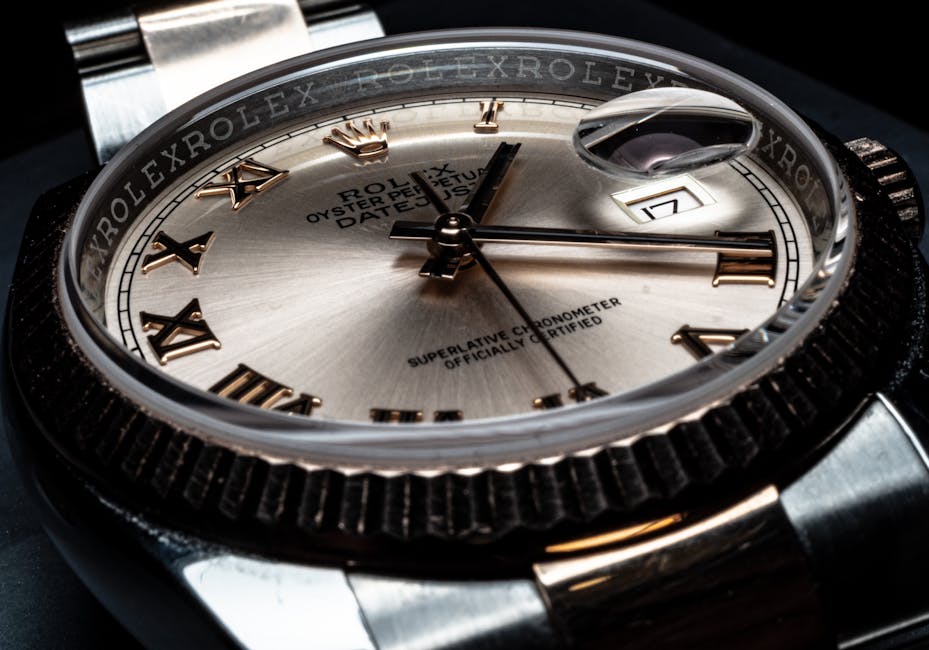

- Emerging trends for specific models (especially for brands like Rolex)
- Seasonal interest cycles
- Comparable sale outcomes on platforms and auction results
- Condition and completeness of the watch’s full set
For sellers who treat watch collecting as portfolio-style stewardship, setting a defined marketing window helps protect asset value by preventing “market fatigue” and aligns expectations around price based on live data.
Why a Defined Marketing Window Matters in Watch Consignment
1. Aligning the Watch to the Target Buyer
A luxury watch’s success on the secondary market hinges on matching it to the right buyer at the right time. The “target buyer” profile shifts depending on factors like:
- Model rarity and desirability (e.g., Rolex Daytona vs. standard Datejust)
- Condition grade and whether it is a full set (box, papers, original accessories)
- Price sensitivity influenced by current market saturation
By coding the sale into a clear window, consignment professionals can tailor marketing campaigns and buyer outreach with urgency, capturing collector interest and driving offers before the market moves.
2. Minimizing the Insurance Appraisal vs. Market Pricing Gap
Anyone accustomed to watch transactions knows that insurance appraisal values and market pricing often diverge substantially. The appraisal may reflect replacement cost or retail MSRP, which for discontinued or limited models is mostly theoretical. Meanwhile, actual resale value is dictated by recent secondary market sales and current demand dynamics.
A defined marketing window forces sellers and buyers alike to reconcile these differences. Tools like live secondary-market data and comparable sales trends provide transparent benchmarks, preventing vague pricing phrases like “worth around” and discouraging unrealistic expectations.
3. Managing Condition, Configuration, and Saturation Effects precisely
Any watch’s value is intricately linked to condition and configuration nuances:
- Condition: Mint vs. unrestored; service history status
- Configuration: Original dial, bezel, bracelet vs. aftermarket modifications
- Saturation: How many similar watches are currently listed or have recently sold
Through a defined window, consignment experts can actively adjust marketing and pricing strategies responding to these details—and reduce the risk of lingering inventory diluting market value.
How Companies Like Diamond Banc and RESIDENT™ Use Defined Marketing Windows
Diamond Banc, a leader in luxury asset lending and secondary sales, integrates defined marketing windows as part of their consignment offering. By monitoring live Rolex market data and comparable sales across platforms, Diamond Banc times listings to coincide with peak buyer activity, often leveraging proprietary analytics to pinpoint saturation thresholds.
RESIDENT™, an innovative digital consignment boutique, emphasizes transparency in pricing and marketing timelines. Their model includes countdowns on listings and detailed sales comps, helping sellers understand when to withdraw or reprice a watch based on real-time secondary-market shifts.
Both companies exemplify best practices in watch stewardship—balancing insurance and market realities with clear, time-boxed selling periods.
Using Live Secondary-Market Data and Comparable Sales Effectively
Monitoring live market data is essential for prudent consignment Click here! management. Here are best practices for leveraging these tools during a defined marketing window:
- Track Comparable Sales Weekly: Focus on watches identical in configuration, full set status, and condition to calibrate asking price.
- Analyze Demand Signals: Handle metrics such as number of watchers, inquiries, and quick offers as early indicators of target buyer interest.
- Adjust Marketing Push Accordingly: Increase listing exposure (via social media, mailing lists, or digital platforms) during high-demand spells within the window.
- Be Ready to Withdraw or Re-list: If saturation occurs quickly without strong offers, pause listing to conserve exclusivity and anticipation.
What Does This Mean for You as a Seller or Collector?
Embracing a defined marketing window mindset means taking an active, data-driven role in your watch consignment process. Whether you’re parting with a single iconic Rolex or editing a multi-piece collection tied to life events like real estate closings, this approach helps you:
- Set realistic price expectations grounded in market reality, not outdated appraisal values
- Maximize sale proceeds by hitting moments of peak demand and limiting market fatigue
- Enhance transparency and trust with buyers through clear timelines and accessible data
- Position your watch precisely to the ideal target buyers for that specific period
Remember, always ask upfront: “Is it full set or not?” That single factor can make or break value during short marketing timeframes.
Conclusion
A defined marketing window is not merely a sales tactic; it’s a critical philosophy for watch consignment in today’s complex secondary market. It merges portfolio-style stewardship with analytical rigor, ensuring luxury watches—especially coveted pieces by brands like Rolex—achieve their true market potential.
By partnering with experienced firms like Diamond Banc or RESIDENT™ and https://highstylife.com/why-do-reputable-buyers-insist-on-verifying-serial-number-movement-and-case/ leveraging live secondary-market data alongside comparable sales, consignors save time, reduce risk, and unlock optimized returns—all while respecting the balance between insurance appraisals and real-world value.
So next time you consign, think of your watch’s marketplace presence as a well-calibrated campaign with a clear start and finish: a defined marketing window designed to sell smartly, swiftly, and successfully.