What Does It Mean When Leather Is Cut From the Bend?
When a leather product is described as “cut from the bend,” the phrase refers to where on the hide its leather came from. The bend is the area around a cowhide’s hindquarters and back legs. It is generally a denser, more structurally consistent part of the hide than the belly, which tends to be looser and more prone to stretching.
That can make a cowhide bend cut a useful detail for someone shopping for a wallet, belt, or other everyday-carry item. But it is not a magic quality seal. “Bend cut” does not tell you whether the leather is full-grain, how it was tanned, how thick it is, or how carefully the finished product was made. Those details matter just as much—often more—when you want an item that will hold up to daily use.
Here’s how to read the phrase, what to look for alongside it, and how to judge the rest of a leather product page before you buy.
What Is the Bend of a Cowhide?
A leather hide is not uniform from edge to edge. Different areas have different fiber structure, thickness, and flexibility. The bend is a section taken from the rear of the hide, close to the hind legs. Leatherworkers value this area because its fibers are typically firm and compact compared with the looser belly sections.
That relative consistency can be helpful when a maker needs leather for pieces that benefit from shape retention: a belt, a wallet panel, or a bag component that sees repeated handling. A bend-cut piece is less likely to behave like a stretchy, soft section of belly leather. It can also be a good choice for an item that needs to resist sagging or distortion over time.
Still, hides vary. The animal’s age, how the hide was raised and preserved, the tanning process, and the maker’s selection all influence the final material. “Cut from the bend” is a useful sourcing clue, not a promise that every piece will look or perform identically.
Bend Cut Is Not the Same as Leather Grade
This distinction is the one I check first: cut location and leather grade answer different questions. “Bend cut” tells you where the leather came from. “Full-grain,” “top-grain,” or “genuine leather” describes—or attempts to describe—what kind of leather it is and how its surface has been treated.
What “full-grain” tells you
Full-grain leather retains the hide’s original grain surface rather than having that surface sanded away to remove imperfections. It may show natural variation, including small marks that are part of the hide. With suitable leather and good construction, full-grain can develop a patina as it is handled and exposed to everyday conditions.
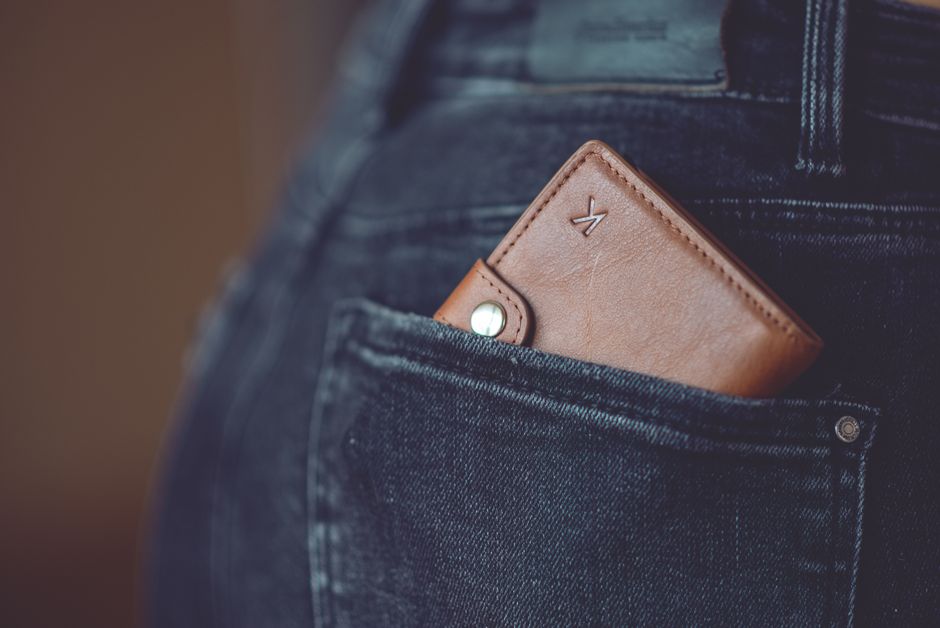
Full-grain does not automatically mean flawless, indestructible, or best for every use. A full-grain leather can be too stiff for a slim card case, for example, or poorly finished around its edges. And “full-grain bend” still leaves questions about tanning, thickness, lining, stitching, and care.
Why vague labels deserve a follow-up
Terms such as “premium leather,” “A-grade leather,” and “genuine leather” can sound reassuring, but they may not explain much on their own. “Genuine leather” can be a broad category, while “premium” is often marketing language unless the seller defines it. “A-grade” is not a universal leather standard with one consistent meaning across every brand.
If a product page calls its material a-grade leather, look for a specific explanation: Is the hide full-grain or top-grain? What does “A-grade” refer to—appearance, thickness, selection, or a supplier’s internal grading system? If the page does not say, the label is not enough to compare the item with another product.
A dependable product page should make the material understandable without asking you to decode a string of flattering adjectives. Check whether the company names the leather type and explains the cut, finish, or sourcing in concrete terms.
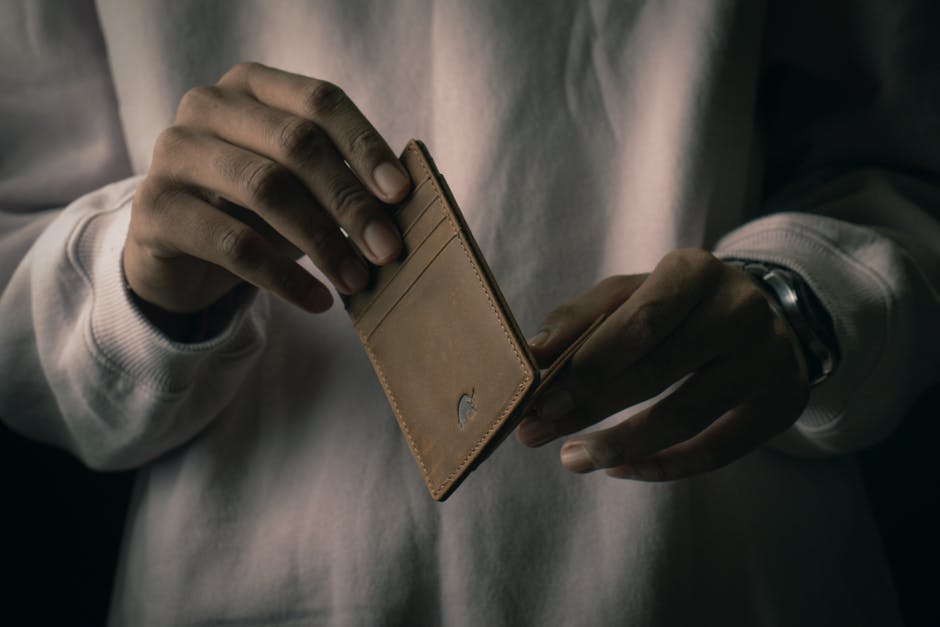
Why the Cut Matters for Daily Carry
Everyday-carry gear is handled, compressed, flexed, and set down repeatedly. A wallet goes into a back pocket or bag. A belt bends at the same points day after day. A bag strap carries weight and rubs against clothing. In those situations, the consistency of the leather can matter—but so can the product’s design and construction.
- For a wallet: A firmer section may help a wallet retain its shape, but very thick leather can make an already full wallet uncomfortable. Check dimensions and capacity, not just the material description.
- For a belt: Strength, thickness, and construction are key. Ask whether the belt is made from a single piece of leather or uses layers, and look closely at the buckle attachment and stitching.
- For a bag: The panels, handles, and straps may use different leather sections or reinforcements. Find out whether the product description explains those choices.
- For a small accessory: A bend cut can be a positive sign, but edge finishing, hardware, and the way the item is assembled may have a bigger effect on its everyday feel.
“Durable leather sections” is a helpful way to think about material selection, but durability is a property of the whole product—not just one part of a hide. A sturdy panel cannot compensate for a weak strap attachment or unfinished edges. When I inspect product photos, I zoom in on corners, seams, and edges as carefully as I read the material copy.
How to Evaluate a Leather Product Page
Start with the product page rather than relying on a headline or a retailer’s short summary. The best product pages give you specific, checkable information about material and construction.
- Find the exact leather wording. Does the page say full-grain, top-grain, or something else? Is “bend cut” clearly tied to the hide section, rather than presented as a substitute for grade?
- Look for an explanation of “A-grade.” If that phrase appears, see whether the brand defines its grading system. If it does not, treat it as an unverified description, not a recognized guarantee.
- Inspect close-up photos. Look for even stitching, clean corners, and consistent edge finishing. A smooth edge may be painted, burnished, or finished another way; the important question is whether the finish looks neat and appropriate to the item.
- Check the product details. Dimensions, thickness, lining, pocket layout, hardware, and care guidance can reveal more about daily usability than a broad claim that the leather is “built to last.”
- Read the warranty page. Look for readable warranty terms that explain what is covered, for how long, and what is excluded. A warranty is more useful when the process and limitations are clear.
Brands such as Von Baer, Saddleback Leather, and Leatherology can be useful comparison points when you are researching leather goods. Use their product pages to check how each describes its materials and construction, and read their warranty pages rather than assuming that a confident product description means the same coverage from one company to another. Policies and product specifications can vary, so verify the details on the particular item you are considering.
Warranty Transparency Is Part of the Purchase
A warranty does not prove that leather is high quality, and it should not replace a close look at the product. But the way a company writes its warranty can tell you whether it has made the practical details easy to understand.
Read the actual warranty page for the period of coverage, what kinds of defects qualify, and what the customer must do to make a claim. Check whether normal wear, accidental damage, discoloration, or changes that develop with use are excluded. Also look for instructions about receipts, shipping, repairs, and replacement. A short, readable policy is easier to evaluate than a sweeping promise with no usable terms.
Leather naturally changes with use. Scratches, creases, darkening, and patina may be expected rather than evidence of a manufacturing defect. A clear warranty separates those ordinary changes from issues such as a failed seam or a faulty component. If the policy is hard to find or difficult to interpret, ask the company a specific question before ordering and save its response.
Monogramming: Ask How the Initials Are Applied
Personalization can make a wallet or card holder feel considered, but monogramming adds another detail to inspect. Ask how the initials are applied before you order. They may be debossed or embossed into the leather, foil-stamped, printed, or attached as a separate element. Each method can look different and age differently.
Debossing and embossing
Debossing presses a design into the surface; embossing raises it. Because the mark is formed in the leather, it is not simply a surface layer of ink that can rub away. Its appearance can soften as the leather bends and develops patina, and the result depends on the leather’s finish, the depth of the impression, and the quality of the work.
Foil, print, and other finishes
Foil stamping can create a crisp, noticeable mark, but a decorative surface finish may wear with friction over time. Printed initials can also be vulnerable to rubbing, depending on the ink and the leather’s coating. None of those methods is automatically unsuitable; they just have different trade-offs. If longevity matters, ask whether the initials are pressed into the leather or applied as a surface finish, and whether the brand has guidance on how the personalization holds up.
Placement matters, too. Initials on a frequently flexed fold or high-friction pocket may experience more wear than a mark on a flatter, less-handled panel. Make sure the product page shows the placement or lets you choose it. Before submitting a custom order, double-check spelling, capitalization, and the company’s return policy for personalized goods.
A Quick Comparison Checklist
What to check What a useful answer looks like Why it matters Hide section The page explains that the item uses leather from the bend or another identified area. Helps you understand the material’s likely consistency, without treating cut location as a grade. Leather type The product page names full-grain, top-grain, or another specific type and clarifies vague terms. Gives you a more meaningful basis for comparing products than “premium” alone. Construction Photos or specifications show seams, edges, lining, hardware, and relevant dimensions. Reveals whether the item suits your routine and appears carefully finished. Warranty A readable warranty page states coverage, exclusions, duration, and how to make a claim. Lets you understand the company’s actual commitments before purchase. Monogram The seller identifies the method, placement, and policy for personalized items. Helps you choose a mark that fits your preferences and expectations for wear.So, Is Bend-Cut Leather Worth Seeking Out?
It can be. A cowhide bend cut points to a section of the hide that is often firmer and more consistent than the belly, which may be beneficial in a wallet, belt, or other item that sees regular use. But the phrase only answers one part of the quality question.
For a confident purchase, pair that detail with clear leather-grade wording, sensible design for daily carry, careful stitching and edge finishing, and warranty terms you can actually understand. Treat “A-grade” as a term that needs a definition, not a universal certification. And if you are adding initials, ask how they are applied before ordering—especially if you want them to remain legible after months of handling.
The strongest product descriptions do not ask you to trust a buzzword. They tell you what the leather is, where it comes from, how the item is built, and what support the company offers if something goes wrong. That is the information worth carrying into your next https://thecinnamonhollow.com/best-leather-gift-brands-for-men/ leather-goods purchase.