What Is the Best Setting Style if I Worry About the Stone Getting Knocked?
If you’re on the hunt for an engagement ring or any diamond jewellery and you’re worried about the stone getting knocked or damaged in everyday wear, the choice of setting is crucial. With so many styles available, how do you choose one that’s both secure and beautiful? In this guide, we’ll explore the best setting styles for protecting your precious stone, taking into account important factors like the Four Cs, grading report verification, and how carat weight compares to visible size. Plus, we’ll naturally touch on trusted names like Hatton Garden Jewellers and the Gemological Institute of America (GIA), and even how to verify your diamond’s authenticity before buying.
Why the Setting Style Matters
When buying a diamond, many buyers focus on the Four Cs — carat, cut, colour, and clarity. But the setting style can be just as important to protect your stone, especially if you lead an active lifestyle or work with your hands. Certain setting styles seriously reduce the risk of chips, scratches or even losing the stone.
Think of your setting as the guardian of your diamond. A secure diamond setting keeps it safe, while still showing off its sparkle and beauty.
Understanding the Four Cs and Their Trade-offs
The Four Cs form the foundation of diamond buying knowledge:

- Carat: The diamond’s weight. Bigger is often better in marketing terms, but size isn’t everything.
- Cut: Actually the most important factor determining how much your diamond sparkles. A well-cut diamond reflects light beautifully.
- Colour: Measured on a scale from D (colourless) to Z (light yellow or brown), you want as colourless a stone as your budget allows.
- Clarity: The presence of inclusions or blemishes. Some imperfections won’t be visible to the naked eye, especially once set.
In fact, cut quality drives sparkle more than any other factor. It’s why a slightly smaller diamond with an excellent cut can outshine a bigger, poorly cut stone. Keep this in mind when pairing your diamond with a secure setting; sparkle and durability can go hand in hand.
Carat vs Visible Size: Why Measurements and Proportions Matter
It’s easy to fixate on carat weight as a symbol of size. But carat = weight, not physical size alone. Diamonds come in different shapes, and their proportions matter for perceived size.
For example, a 1-carat round brilliant cut diamond might have a diameter around 6.4 mm. However, an oval or marquise cut diamond with the same carat can appear larger due to their elongated shape.
If you want the look of a bigger stone without the price tag of extra carat weight, consider shapes that maximise surface area:
- Oval – elongated, creates a larger look on smaller carat weight.
- Pear – teardrop shape, elegant and larger-looking.
- Marquise – pointed ends, maximises length and apparent size.
- Round – classic and brilliant, but tends to look smaller at the same carat weight.
Those interested in visible size should also pay attention to the diamond’s depth and table percentages — these cut proportions affect both size perception and sparkle. You can check detailed cut factor guidelines on GIA’s diamond quality factor pages.
Verifying Diamond Grading Reports: Why the Report Number Matters
Before discussing setting styles, it’s worth a quick reminder about authenticity. Whether you buy from Hatton Garden Jewellers or any reputable retailer, always ask for the diamond’s grading report number. This number allows you to independently verify the diamond’s grading report through trusted databases such as the Gemological Institute of America (GIA) website.
Never rely on vague “certified” claims without naming the lab or providing a report number. This protects you from buying a diamond with misrepresented or false quality claims.
For example, inputting the report number into GIA’s report-check database will confirm the diamond’s cut, colour, clarity, carat weight, and even proportions. Always do this homework before paying any deposit.
The Best Setting Styles for Secure Diamond Protection
1. Bezel Setting: The Ultimate Protection
If you worry about your stone getting knocked or damaged, the bezel setting is often the best choice. A bezel setting encircles the diamond with a thin metal rim, locking it firmly in place. This metal lip protects the edges and table of the stone, significantly reducing the risk of chips or accidental knocks.
Why choose bezel?
- Provides excellent security — the diamond is less exposed than other settings.
- Creates a modern, sleek look that sits lower against the finger.
- Minimises cleaning and snagging on clothing or tools.
- Ideal for people with active or hands-on jobs.
Because the bezel wraps around the stone, it slightly covers the edges — which can reduce perceived brilliance if the cut isn’t excellent. This is why it’s important to pair a bezel setting with a well-cut diamond (try to pick cut grades from Very Good to Excellent on your GIA report).
2. Low Profile Engagement Rings: Less Risk of Snagging
A low profile engagement ring keeps the diamond closer to the finger rather than elevated on tall prongs. This reduces the stone’s exposure to potential knocks and accidental bumps.
- Low profile designs work well with bezel and channel settings.
- They minimise discomfort and snagging, useful for everyday wear.
- They feature smooth edges, which suit active lifestyles.
When combined with a diamond of the right shape and cut, a low profile ring offers impressive sparkle and resilience.
3. Channel and Flush Settings: Clean and Secure
For smaller stones, you might consider channel or flush settings. In channel settings, diamonds sit between two vertical walls of metal, secured firmly — popular for wedding bands or ring accents.
Flush settings embed the diamond into the band itself so the surface of the diamond is level with the metal, offering great protection but less sparkle.
Why Prong Settings Are Riskier if You’re Worried About Knocks
Traditional prong settings, especially with four or six prongs, showcase the diamond beautifully and maximise light entry, but they also leave a lot of the stone exposed. Prongs can catch on clothes or objects, loosen over time, and increase the risk of your diamond getting chipped or even falling out.
If you opt for a prong setting despite concerns, make sure to have routine checks and adjustment appointments — a practice well-known to established jewellers such as Hatton Garden https://hatton-garden-jewellers.co.uk/7-things-to-check-before-buying-a-diamond-ring Jewellers. I always remind clients to prioritise frequent maintenance to prevent surprises.
Pairing Secure Settings with Diamond Shape and Size
To make the most of your secure setting, consider how diamond shape influences both security and perceived size:
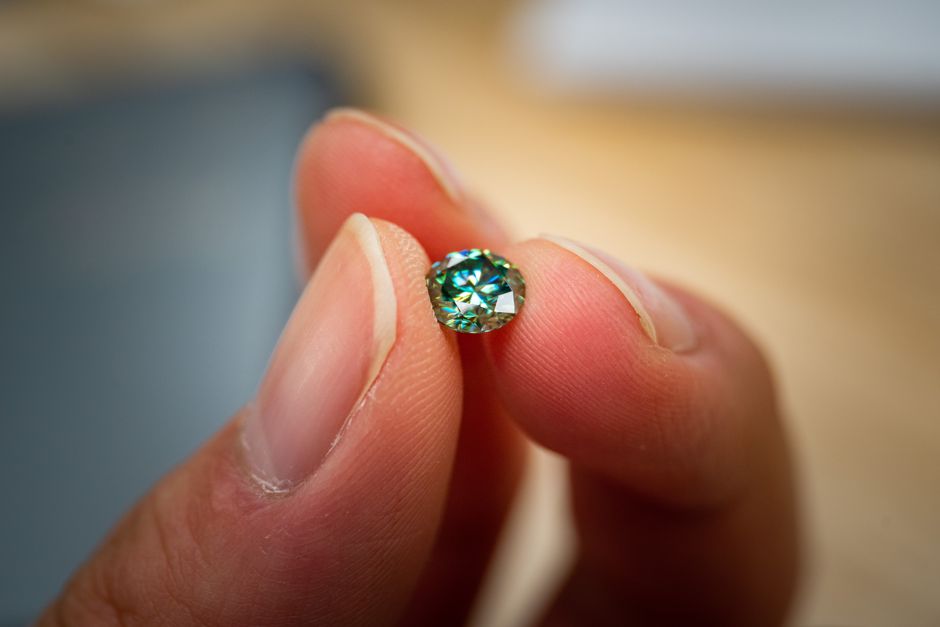
Elongated shapes have pointed ends prone to damage. A bezel setting or added protective prongs can save you a repair headache later.
Tips When Buying from Trusted Sources Like Hatton Garden Jewellers
To wrap up, here are a few handy tips for buyers worried about their diamond’s security:
- Ask explicitly for the diamond's lab report number: Always verify on the GIA database or equivalent to confirm authenticity.
- Prioritise cut quality: It ensures sparkle compensates for any protective metal coverage.
- Choose secure settings like bezel or low profile designs: These reduce risk during daily wear.
- Consider shapes that maximise visible size but beware of sharp points needing protection.
- Request resizing and return policies in writing: Don’t settle for vague terms tucked away in footers—which is my pet peeve as an editor!
Final Thoughts
Choosing the right setting style when worried about your diamond getting knocked need not mean compromising on beauty and sparkle. The bezel setting and low profile rings offer some of the most secure options without sacrificing elegance, especially when paired with well-cut stones verified by the Gemological Institute of America (GIA) reports. Always ask for and verify the laboratory report number before making your decision — no exceptions.
And if you want some fun while you browse jewellery options, perhaps after confirming a flawless diamond certification, try a quick break on trusted platforms such as MRQ — a mobile casino app you can rely on for downtime. Just remember your diamond security priorities when shopping!
With these guidelines, you’ll protect your precious stone, sparkle confidently, and wear your ring worry-free for years to come.