Why Do Some Engagement Rings Feel “Too Tall” on the Finger?
A ring can look beautiful in a photo and still feel like it’s trying to catch every sweater, hairbrush, and pocket it meets. If you’ve ever wondered why a high setting ring feels awkward or top-heavy, you’re not being fussy. The height of a ring affects how it moves, how it catches, and whether you enjoy wearing it through an ordinary day—not just how it looks in a proposal photo.
There’s no single “correct” engagement-ring height. Some people love a dramatic stone lifted above the band; others want a setting that sits close to the finger and mostly stays out of the way. Comfort depends on the design, your hands, your daily routines, and how the ring feels between your fingers. (Yes, that last bit matters: a band can feel perfectly fine on top and surprisingly bulky where your fingers meet.)
Let’s look at what makes a ring feel too tall, how modern settings can change the experience, and how to choose a design that tells your story without turning every knit into a snag test.
What Does “Too Tall” Actually Mean?
Ring height is usually measured from the finger to the top of the center stone. A high setting raises the stone well above the band, often to make room for the stone’s underside, emphasize its size, or create a more traditional, prominent look. A low profile setting keeps the stone closer to the finger, with less of the ring projecting upward.
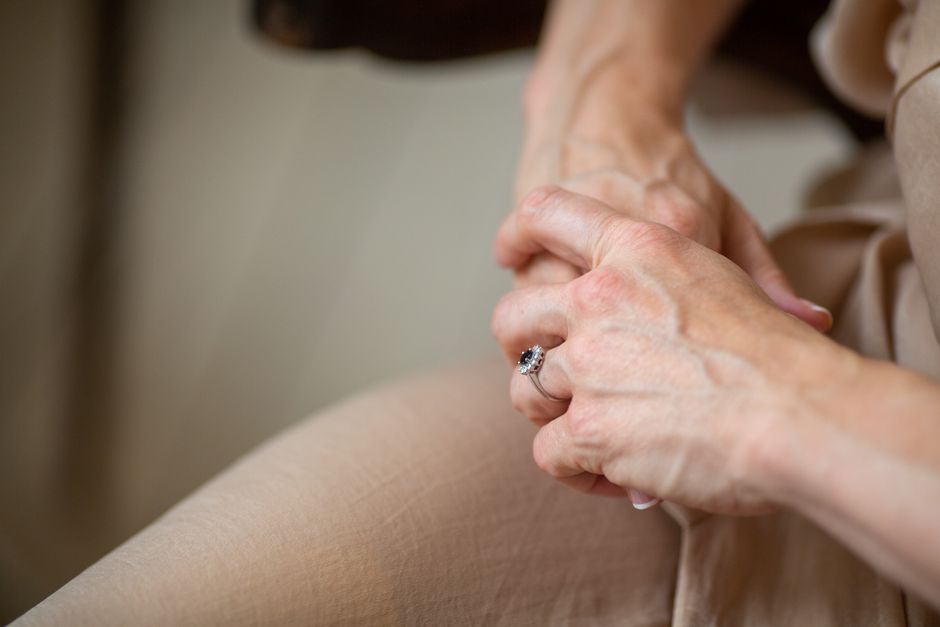
But “too tall” is a feeling, not a universal measurement. A setting may feel uncomfortably high because it:
- Snags on clothes, towels, hair, or the inside of a handbag.
- Feels wobbly or shifts from side to side.
- Presses against neighboring fingers when your hand closes.
- Gets in the way while typing, cooking, gardening, or caring for a baby.
- Makes you worry about knocking the stone against a countertop or doorframe.
Two rings with similar measurements can feel very different. A wide band may sit securely, while a narrow band with a large stone can feel top-heavy. A well-balanced setting can make a raised stone feel stable; a poorly suited one can make even a modest stone feel like it’s perched on a tiny tower.
Why Some Rings Sit Higher
The center stone needs room
Many stones have a pointed underside, called a culet, or a deep shape that needs clearance from the finger. The setting must hold the stone securely without letting it press against your skin. A deeper stone may require more height, although a designer can sometimes adjust the basket or structure to keep the overall profile lower.
The design lifts the stone for light and visibility
Some settings raise the center stone so light can enter from different angles or so the stone is more visible from the side. That open, airy look can be lovely, especially if you enjoy seeing the details beneath the stone. But extra openness and height may come with more exposure to bumps and snags.
A wedding band may need clearance
A raised center stone can leave space for a straight wedding band to sit flush beside the engagement ring. That can be useful if a seamless stack is important to you. It is not the only way to wear a wedding band, though. A contoured or curved band, a small gap, or a deliberately mismatched stack can all be thoughtful choices. A flush fit is a design preference—not a relationship requirement.
When a High Setting Ring May Not Feel Right
A higher setting is not automatically uncomfortable or impractical. Plenty of people wear one happily every day. The key is to think beyond the ring’s appearance and picture your actual hands moving through your actual week.
For example, if you pull on wool sweaters daily, a setting with exposed prongs may become a regular snag risk. If you work with gloves, exercise with weights, or often use your hands for practical tasks, a tall stone may be something you remove often—or something you’d rather avoid. If you have neighboring fingers that sit close together, a wide or elevated setting may rub more than expected.
Try the ring with your hand relaxed, asymmetrical engagement ring curled, and spread. Notice whether the stone shifts or catches, and ask yourself how the band feels between your fingers. A ring should not pinch, scrape, or make you keep adjusting your hand to accommodate it. In an atelier or jewelry studio, ask to try a similar setting at the same scale as your preferred stone; a tiny sample can feel very different from the finished ring.
Low Profile Setting: A Practical Choice, Not a Compromise
A low profile setting places the center stone closer to the finger. It may offer a smoother outline and reduce the feeling of height, making it appealing for people who want a ring https://highstylife.com/i-hate-solitaires-what-engagement-ring-styles-feel-more-personal/ that feels integrated into everyday life. It can also make the ring less likely to catch on fabrics, though no setting is entirely snag-proof.
Low settings come in many styles. A bezel, for example, surrounds the stone’s edge with a rim of metal. A basket setting holds the stone in a compact frame, while a flush or semi-flush design can create a streamlined look. Some designs use a low center stone with a more sculptural band, so the ring still has personality without a tall profile.
There are trade-offs. A very low design may limit how much light reaches the stone from the sides, depending on its shape and construction. It may also sit differently beside a straight wedding band. Ask a jeweler to explain how the setting supports the stone, how it can be cleaned, and whether a wedding band can sit alongside it without pressure.
Modern Settings and Silhouettes That Change the Feel
Breaking with tradition does not mean giving up sparkle, security, or romance. It means choosing the details that suit you rather than assuming an engagement ring has to be a tall solitaire with a matching band.
Modern ring silhouettes offer plenty of ways to rethink height and shape:
- Bezel settings: A metal rim frames the stone and can create a smooth, contemporary outline.
- East-west settings: An elongated stone is set horizontally, changing the ring’s visual balance and giving a familiar shape a fresh feel.
- Low baskets: The stone is held in a compact structure that can reduce the overall rise above the finger.
- Cluster designs: Several smaller stones create a focal point without relying on one tall center stone.
- Asymmetrical or open designs: An unusual silhouette can bring movement and individuality while keeping the profile considered.
- Wide or sculptural bands: The band itself becomes part of the design, rather than simply a support for a large raised stone.
When browsing, look at side-view photos as carefully as top-down images. Pinterest boards for ring inspiration are useful for collecting silhouettes and comparing details, but try to save photos that show the setting from more than one angle. A board full of beautiful overhead shots won’t tell you whether the stone sits high, whether the prongs are exposed, or how the band might feel on your hand.
Brands and retailers have different design ranges, so use names as starting points for research rather than as a substitute for trying things on. For instance, you might explore Bespoke Bride for wedding-related inspiration, look through Lily Arkwright’s ring options for different settings and stones, or compare everyday styles from Modern Gents. As with any purchase, check the specific ring’s materials, construction, sizing, care guidance, and return policy—and ask direct questions if sourcing details are unclear.
Colored Gemstones as Storytelling
A colored gemstone can make an engagement ring feel personal without relying on size or height for impact. Sapphire might echo a favorite color; an emerald could connect to a place or family story; a salt-and-pepper diamond might appeal to someone who loves variation and visible character. The point is not to assign a fixed meaning to every gem. It is to choose a stone whose appearance or origin matters to you.
Gemstone choice can also shape the setting. A stone’s hardness, toughness, cut, and sensitivity to heat or chemicals affect how it should be worn and cared for. Some gems are better suited to daily wear than others, and a protective setting may be useful for a softer or more delicate stone. Ask the jeweler what the stone can reasonably handle and how often it may need checking or cleaning.
There’s a sourcing conversation here, too. Ask where the gemstone or diamond came from, what documentation is available, and what the seller can verify about its supply chain. A clear answer is more useful than a vague claim about being “ethical.” If a brand can’t explain what it knows—or what it doesn’t know—you deserve to make that part of your decision with eyes open.
Bespoke Ring Design: Customize for Your Hands
Custom design is not only for people who want an elaborate one-of-a-kind ring. It can be a practical way to adjust details that affect comfort: stone height, band width, prong shape, setting style, and how the ring sits beside a future wedding band.
Bring reference images, including side views, and be ready to describe what you like rather than requesting an exact copy. You might say, “I want an oval stone, but closer to my finger,” or “I like the open basket, but I need fewer places for sweaters to catch.” Those details give a designer something useful to work with.
Before approving a design, ask for the finished dimensions and a view from the side. Confirm how the stone will be secured, whether the setting can be resized or repaired, and what maintenance is recommended. If possible, try a wax model or a sample with a similar shape and weight. It will not perfectly predict the finished ring, but it can reveal whether the silhouette feels bulky or catches when you make a fist.
Questions to Ask Before You Choose
- How high does the stone sit above the finger? Ask for a measurement or a clear side view.
- How does the ring feel in motion? Close your hand, touch your thumb to each finger, and mimic common tasks.
- What parts might snag? Check prongs, side stones, and any sharp edges against a knit fabric sample.
- Will my wedding band sit flush? If it matters to you, try a matching band or ask about other pairing options.
- What care does this stone and setting need? Get specific guidance, not just “clean it occasionally.”
- What can you tell me about sourcing? Ask what is documented for the metal and center stone.
- What are the resizing and repair options? A beautiful ring should be supportable after the proposal, too.
Comfort Is Part of the Romance
Engagement-ring traditions can be meaningful, but they are not a checklist. Your ring does not have to sit high to look significant, match a conventional band, or feature a colorless diamond to feel like an engagement ring. It can be a low setting, a colored stone, a vintage-inspired shape, or a design created around the way your hands move.
And while you’re planning the celebration, practical tools can make the less-glamorous details easier. If you’re running an invitations promo, for example, mention that guests can reply through a Google Sheet for RSVPs—just be thoughtful about who can access it and what personal information it collects. The same principle applies to ring shopping: make the process clear, useful, and suited to the people involved.
The right ring is not the one that wins a height contest or photographs like everyone else’s. It is the one you’re happy to wear, that’s made and sourced in a way you can stand behind, and that feels comfortable when your hand is doing ordinary things. If a high setting ring makes you notice it for the wrong reasons, explore lower profiles and custom adjustments. Your comfort is not an afterthought; it’s part of the design.
