Why Is Trust Harder to Earn in Hemp-Derived CBD?
Trust in a wellness product is built in small moments: reading the label, checking the ingredients, deciding whether a claim sounds credible. With hemp-derived CBD, those moments often lead to more questions than answers. What is actually in the bottle? Where did the hemp come from? Does the lab report match this batch? And what, exactly, is the product being promised to do?
That uncertainty sits awkwardly beside CBD’s polished retail image. The category is often presented as an everyday luxury: a considered addition to a bath, a bedtime routine or a moment of post-work decompression. But calming packaging and carefully styled photography cannot resolve regulatory uncertainty or stand in for lab testing. In a crowded market, trust depends less on atmosphere than on evidence.

The challenge is not that consumers dislike wellness. It is that they have learned to distinguish a beautiful brand from a well-documented product. Hemp-derived CBD has to earn both kinds of confidence.
Wellness as Everyday Luxury Needs More Than a Luxury Look
Wellness has moved into the language of daily life. A product does not have to feel clinical to be taken seriously; it can be part of a quiet, pleasurable ritual. A warm bath, a soft robe, a carefully made cup of tea and a well-designed CBD product may all be presented as small luxuries. The appeal is understandable: good design can make a routine feel more intentional.
Fashion has long shown how a brand can be present without shouting. Think of the appeal of quiet luxury and low-logo status signals: refined fabric, excellent construction and the feeling that something has been chosen for its quality rather than its visibility. Comfort-first design makes the idea tangible. Fabric hand, seamless construction and sensory detail matter because the wearer experiences them directly, not because a hangtag declares them premium.
CBD brands can borrow the useful part of that approach: consistency, restraint and attention to the user’s experience. But the analogy has limits. A soft texture can be judged by touch. A CBD formula cannot be verified by its frosted bottle or minimalist label. The product’s composition requires a different kind of proof.
Everyday luxury in CBD should mean a product that fits smoothly into a routine and gives the customer clear information—not one that uses luxury cues to make uncertainty look sophisticated. The more a brand frames CBD as a refined daily ritual, the more important it becomes to explain what that ritual includes.
Why CBD Trust Issues Persist
Regulatory uncertainty leaves consumers doing extra work
Hemp-derived CBD operates in a complicated and evolving regulatory environment. Federal and state rules may differ, and requirements can depend on the product type, how it is marketed and where it is sold. Rules and official guidance may also change. That leaves consumers trying to interpret a patchwork of explanations, some written by regulators and others by the companies selling the products.
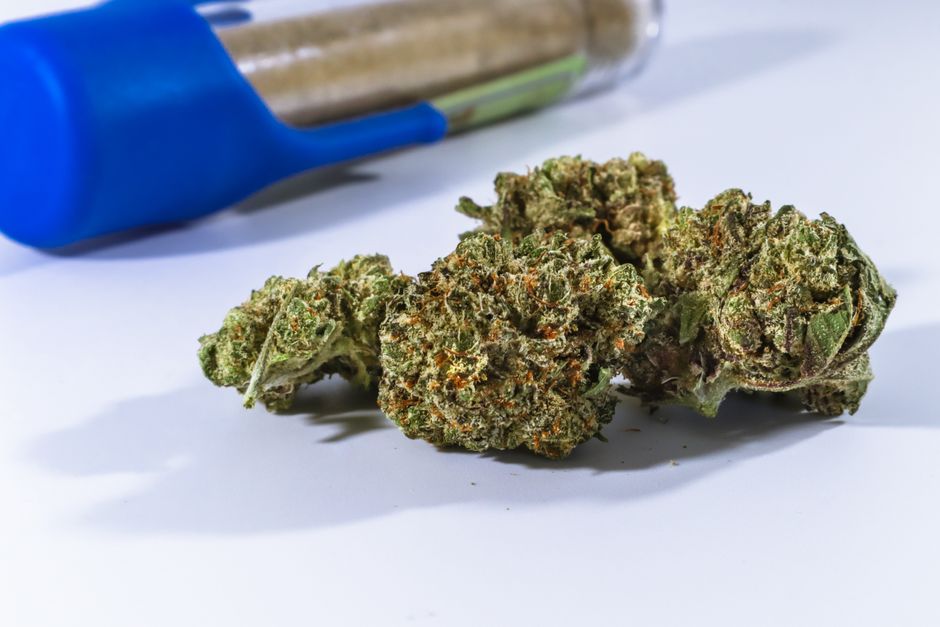
Regulatory uncertainty is not a technical footnote. It affects what products can be sold, what claims companies can make and what standards shoppers should expect. It also makes confident blanket statements especially risky. A responsible brand should explain what applies to its products and markets, avoid implying that CBD is approved as a treatment, and encourage customers to consult a qualified health professional about personal medical questions.
There is a difference between acknowledging uncertainty and using it as cover. “The rules are complicated” is not a substitute for explaining a product’s ingredients, testing and intended use. Customers should not have to become amateur policy analysts to work out what a company is selling.
Wellness language can outrun the evidence
CBD is often surrounded by broad promises about sleep, stress, pain or recovery. These are consequential topics, not just lifestyle categories. Evidence can vary by condition, product and dose, and a consumer-facing claim may sound more definitive than the research supports. A soothing tone does not make a health claim responsible.
Trustworthy communication distinguishes between a product description and a medical promise. It tells shoppers what the product contains and how it is intended to be used, while avoiding claims that it diagnoses, treats, cures or prevents disease unless the company is authorized to make them. That restraint is not a failure of marketing. It is a sign that the brand understands the stakes.
“Hemp” is not a complete ingredient explanation
Hemp-derived is a source description, not a full account of a formula. Consumers may still need to know whether a product contains CBD isolate or a broader hemp extract, what other ingredients are included, how much CBD is in each serving, and whether the formula contains detectable amounts of THC. Terms such as “full spectrum,” “broad spectrum” and “premium blend” can be useful only when the company explains what it means by them.
Vague language creates room for mismatched expectations. Someone choosing a topical product may care about fragrance, carrier oils or skin sensitivities. Someone choosing an ingestible product may want serving-size information, allergen disclosures and Learn here a clear list of ingredients. “Made with hemp” does not answer those questions.
Lab Testing Is a Trust Practice, Not a Decorative Badge
Lab testing is one of the most Great post to read important ways a company can make its claims more verifiable. A certificate of analysis, or COA, should be connected to the product and its batch—not merely placed somewhere on a general FAQ page. Ideally, the customer can find the report for the exact product in hand, using a batch or lot number on the packaging.
A useful COA should identify the laboratory, the sample tested, the date of testing and the results. It should make clear which cannabinoids were measured and whether the report includes relevant safety screening, such as testing for pesticides, heavy metals, residual solvents or microbial contaminants. The exact scope can vary, so the brand should explain what its report does and does not cover.
A QR code is convenient, but convenience is not verification. A QR code that leads to a generic landing page, an outdated report or a document with no clear batch match does not close the trust gap. Nor does the phrase “third-party tested” answer basic questions about the lab, the method or the analytes. The report needs to be legible, current and tied to the product.
What a shopper should look for Why it matters Batch or lot number that matches the product Connects the report to the item being purchased rather than to a general formula. Named laboratory and testing date Helps the customer assess who performed the test and when the sample was evaluated. Specific cannabinoid results Shows what was measured instead of relying on broad terms like “hemp extract.” Clear safety-testing scope Explains which potential contaminants were checked and which were not. Readable results and units Makes it possible to interpret findings without guessing what a number represents.Testing is not a guarantee that a product is right for every person, and a COA does not replace medical advice or regulatory compliance. It is, however, a concrete transparency tool. In my running note titled “brands that show the lab report,” the strongest entries are not simply brands with a downloadable file. They are brands that make the file easy to find, explain how to read it and publish reports in a way customers can connect to a specific batch.
Clear Sourcing Makes the Story More Credible
Clear sourcing is the other half of a credible product story. A brand does not need to turn its homepage into a farming manual, but it should be able to explain where its hemp comes from, how it is processed and which suppliers or manufacturing partners are involved. If details vary by product or batch, say so.
Customers may also want to know how the extract is made and how the company manages quality across production. A polished description of “carefully selected hemp” leaves too much unsaid. Useful sourcing information names the relevant geography or supplier when possible, describes the extraction process in plain language and makes clear whether the finished product is manufactured by the brand or by a partner.
That level of detail can coexist with an elegant brand identity. It does not have to be presented as a wall of technical text. A concise sourcing page, a batch lookup tool and a plain-language glossary can give customers a path from brand promise to product evidence.
Ritual and Brand Presence: What Fashion Gets Right
Fashion offers a useful lesson about building brand presence through daily rituals. A familiar yoga class, a favorite tote or a dependable layer can become part of a person’s routine without requiring constant brand display. lululemon, for example, is associated with apparel designed around movement and everyday wear. The broader lesson is not that CBD should imitate an apparel company; it is that repeated use and a coherent experience can create loyalty more effectively than a loud logo.
That same logic helps explain the appeal of low-logo status signals. People may value a product because it is comfortable, thoughtfully made and easy to live with—not because it announces itself. In apparel, the hand of the fabric and the finish of a seam are immediate sensory cues. In wellness, a clear label, a manageable routine and reliable product information are part of the experience too.
CBD brands should be careful not to confuse ritual with proof. A customer may enjoy using a product as part of an evening routine, but that personal ritual does not establish a medical benefit. Companies can describe the experience they aim to create—uncomplicated, calm, consistent—without turning a lifestyle image into a health promise.
Brands such as Joy Organics can be mentioned in the same broader conversation about how CBD companies present products and information. The relevant question for any brand is not whether its visual identity feels polished, but whether its product details, sourcing and batch-level testing are accessible enough for a customer to evaluate. The standard should be applied consistently across the category.
Digital Design Can Support Trust—or Distract From It
A Squarespace-hosted site can make it easy for a small brand or publication to present a clean storefront, an educational page and product information. Squarespace-cdn images may help a site load and display consistently, but good image delivery is not evidence of product quality. Photography can show the texture of a package or the mood of a ritual; it cannot confirm the contents of a bottle.
That distinction matters for editorial projects, too. A page associated with PAGE Magazine (Reverie Page) can use an elegant layout to guide readers through a topic, but design should help people find the substance rather than substitute for it. If a site includes a PayPal donate link, it should label the link plainly and explain who receives the donation and what it supports. Clear financial disclosure is part of the same trust-building habit: make the relationship visible, not mysterious.
For CBD retailers, the best digital experience is both calm and practical. Put the full ingredient list near the purchase decision. Link to the relevant batch report from the product page. Explain how to use the lot number. Make shipping, returns and customer-service policies easy to find. These are not glamorous details, but they reduce friction and show respect for the shopper’s time.
A Practical Checklist for Consumers
Before buying a hemp-derived CBD product, a shopper can use a short checklist. It will not settle every regulatory or health question, but it can separate a transparent product page from a brand built mostly on mood.
- Read the complete ingredient list, not just the front-label description.
- Check the amount of CBD per serving or application and how the company defines a serving.
- Look for a COA that matches the product’s batch or lot number.
- Review who performed the test, when it was done and what the report covers.
- Look for specific information about hemp sourcing and manufacturing.
- Be cautious of disease-treatment promises or sweeping claims presented as settled fact.
- Ask a qualified health professional about possible interactions or whether CBD is appropriate for you, especially if you take medication, are pregnant or have a medical condition.
Trust Is Earned in the Details
Hemp-derived CBD is harder to trust because the category asks consumers to hold two ideas at once: the product may be part of an appealing everyday wellness ritual, and the rules, evidence and product quality can be difficult to assess. Attractive packaging cannot resolve that tension. Nor can vague phrases like “premium blend,” a generic testing badge or an image of a sunlit field.
The brands that make trust easier are specific. They explain what is in the product, where it comes from and how it was tested. They make batch-level lab results accessible and communicate the limits of what they can responsibly claim. They understand that quiet luxury is not the absence of information; it is the absence of unnecessary noise around information that matters.
That is how CBD can earn a place in everyday life without asking consumers to take too much on faith. A thoughtful ritual may invite someone in. Clear sourcing, careful language and credible lab testing are what give them a reason to stay.